
Describe what happened without judging it
Try a plain sentence: “After work, I saw a room makeover and wanted my evening to feel nicer.” You do not need to turn one shopping moment into a verdict about your discipline or character.
Ask what you want from the experience: a break, a celebration, or an object you will use regularly. These aims can overlap. Separating them helps you see which part the product would actually serve.
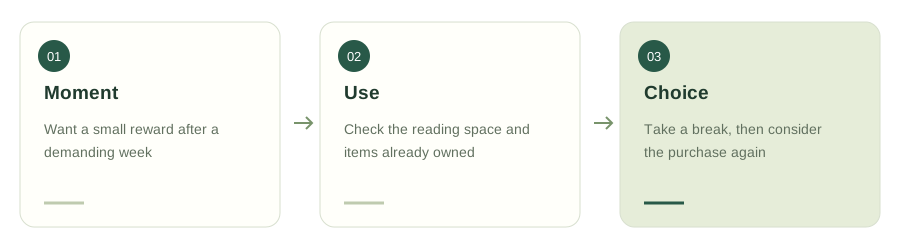
- MomentWant a small reward after a demanding week
- UseCheck the reading space and items already owned
- ChoiceTake a break, then consider the purchase again
Consider tonight and the days after
A candle may look inviting in a picture, but its place in your home deserves a separate check. Consider what you already own, where you would use it, and whether that fits your normal routine.
You could first tidy the reading corner, play some music, or take a break. This is an additional option, not a rule against buying. Afterwards, see whether you still want this particular item.
Share only the context you choose
For outside opinions, a purchase reason such as “a small addition to my weekend reading corner” may be enough. You do not need to publish details about work or private experiences to explain the intended use.
Useful feedback concerns the item and its alternatives. You might use what you own first or decide the treat is worthwhile. The discussion should clarify your options rather than invite strangers to judge your feelings.
Four observations before buying
Tick these prompts as you think. Your choices stay on this page and are not saved or sent.
Two ways to look at the same purchase
A reason to support it
There is a clear place to use it, and you like the scent.
A reason to reconsider
See how often you use your existing candle first.
The applicant in this example tidies the space and postpones the purchase.
Questions you might have
Is buying something for enjoyment wrong?
No. Enjoyment can be part of your decision. Be clear about what you expect and the alternatives available.
Must I share how I feel?
No. Share only enough context to discuss the item. Keep private experiences out of public requests if you prefer.
Does Walletwait detect moods or block shopping?
No. It supports purchase discussions and outside opinions. It does not assess your emotions or control store checkouts.