
Describe an activity rather than an identity
“I want to be someone who paints” is an aspiration. For a folding easel, describe a session: painting in the living room on Saturday, setting out materials, and putting everything away afterward.
You do not need to master a hobby before buying equipment. This exercise separates wanting to try the activity from wanting the object. Borrowing an easel or using a table can make the next question clearer.
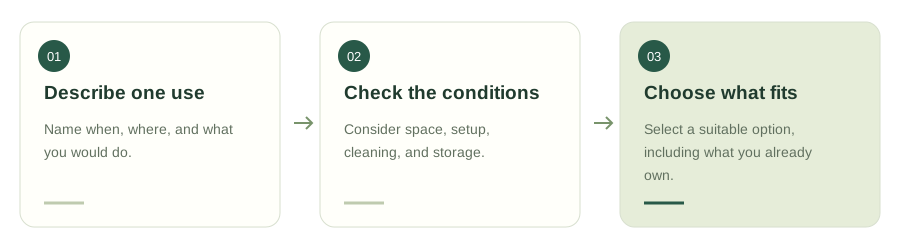
- Describe one useName when, where, and what you would do.
- Check the conditionsConsider space, setup, cleaning, and storage.
- Choose what fitsSelect a suitable option, including what you already own.
Include space and upkeep in the comparison
Folded size, floor space, stability, and storage may matter more than a display photo. If every session requires moving a room's furniture, that preparation is part of the experience you are choosing.
The option with the most features is not automatically the best fit. A simple tool you can set up and put away easily may suit your environment. Separate necessary conditions from extras you may never use.
Bring enjoyment and conditions into the same discussion
A Walletwait reason can honestly say, “I enjoy painting and want a regular place for it.” Compare a table or borrowed easel, explaining what is awkward about those options in your current space.
Ask reviewers to notice missing practical details, not to decide whether your hobby deserves to exist. You might choose a smaller model or keep using existing equipment. Either can be a considered choice.
Place the purchase in an ordinary week
Tick these prompts as you think. Your choices stay on this page and are not saved or sent.
Two ways to look at the same purchase
A reason to support it
Easy setup and a known storage place fit the intended routine.
A reason to reconsider
Measure first and check whether it adds awkward preparation.
The example applicant tries an easel and chooses a smaller model that fits.
Questions you might have
Does mindful shopping mean essentials only?
No. Enjoyment can be a reason; be clear about use and the trade-offs you accept.
Should I always choose the cheapest option?
Not necessarily. Compare suitability and practical use alongside price.
What if reviewers do not share my hobby?
Ask about concrete conditions. You can consider feedback without outsourcing the value of your interests.