
Replace “better” with an observable difference
For an office chair, “looks more comfortable” is vague. Note what fails now: armrests hit the desk, the seat is the wrong size, or the chair cannot fit into the available space.
Write a concrete requirement, such as sliding the chair under the desk after work. Measurements or a fitting trial can test that requirement; an attractive product photo cannot.
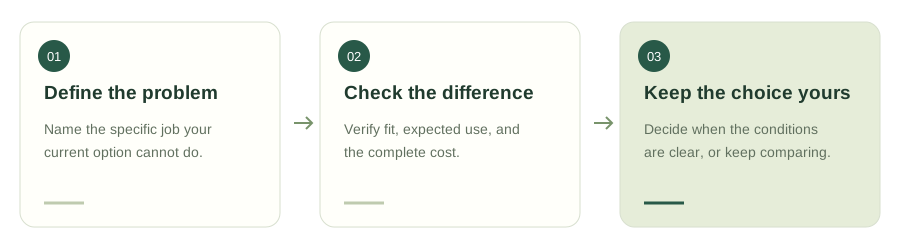
- Define the problemName the specific job your current option cannot do.
- Check the differenceVerify fit, expected use, and the complete cost.
- Keep the choice yoursDecide when the conditions are clear, or keep comparing.
Compare complete options, not sticker prices
Alternatives might include adjusting the existing chair, replacing a part, borrowing one, or choosing another model. Compare them against the same requirements so that a cheaper but unsuitable option does not win by default.
Include delivery, assembly, storage, maintenance, and return conditions in the comparison. These details affect the choice even when they are not part of the advertised price. Identify unknowns before treating an option as settled.
Ask people to examine one uncertainty
A Walletwait request can ask, “Would these dimensions solve my desk clearance problem?” Add the item, price, currency, and relevant image. That question invites a more useful response than “Do you like this?”
Friends may know your routine; public reviewers may notice an overlooked constraint. Neither audience has your complete circumstances. Treat their reasons as leads to check, then make the final decision yourself.
Four questions to answer now
Tick these prompts as you think. Your choices stay on this page and are not saved or sent.
Two ways to look at the same purchase
A reason to support it
Confirmed measurements could establish a practical improvement.
A reason to reconsider
Try the existing adjustment options first.
The example applicant measures the desk and adjusts the old chair before deciding.
Questions you might have
Should I buy if everyone approves?
Check whether their reasons fit your circumstances. Agreement alone does not establish suitability.
Can liking an item be a valid reason?
Yes. Be honest about enjoyment and the trade-offs instead of inventing a need.
Is voting an objective product rating?
No. It reflects participants' judgments about a request, not a standardized product test.